Guitar – stand by me
Leave a reply

Great question! Despite the risk of spoiling future “ice breakers,” let me share an exercise that answers the question through action. Enough talking—no academic architects needed today!
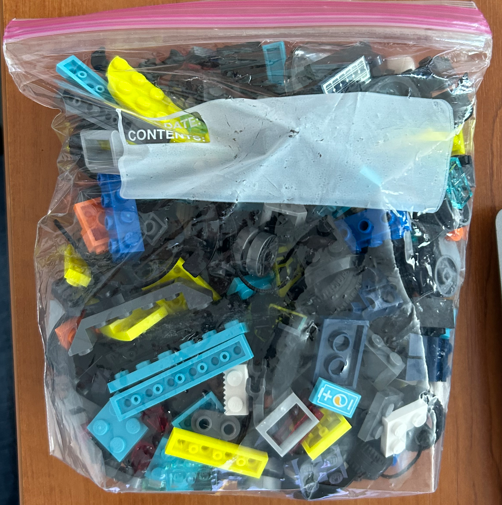
3) Show a “rules” slide. Below is an example from the last exercise.

4) organize the participants into group of 2-3 people
5) tell people to start.
So, what typically happens next? Well, people love building with LEGO bricks—who doesn’t, right? In every instance I’ve run this exercise, everyone immediately starts grabbing pieces and building something. Why do they do this? Maybe they’re eager to relive fond childhood memories. Perhaps they’re doers who just want to complete the task. Or maybe they feel the competitive pressure of the timer. Regardless, the architects communicate with each other and have a great time. While no one has burst into singing “Everything is Awesome” (see this https://youtu.be/9cQgQIMlwWw?si=ODUGkwCohYu8eeuK), I usually walk around, taking pictures to capture their progress and final creations.
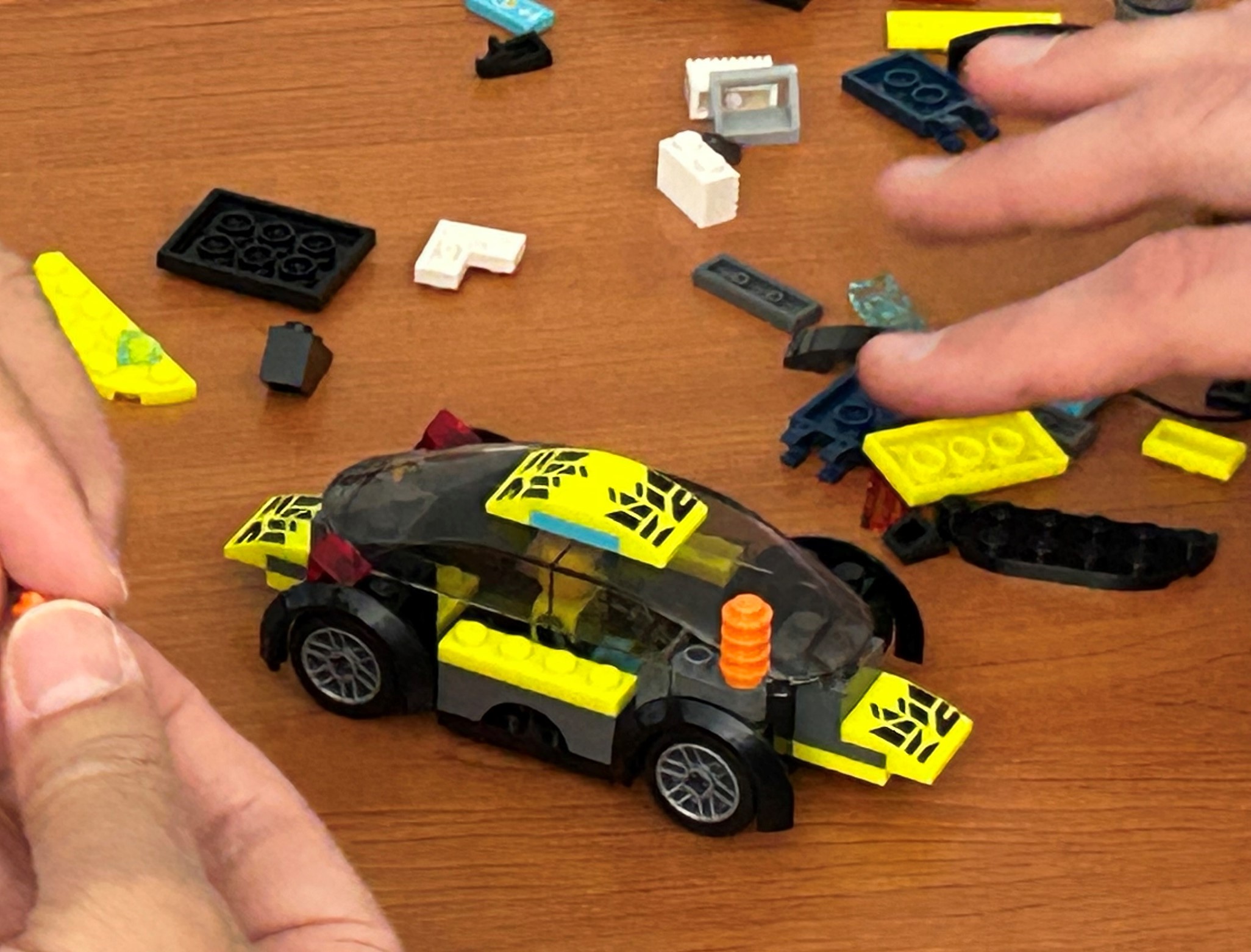

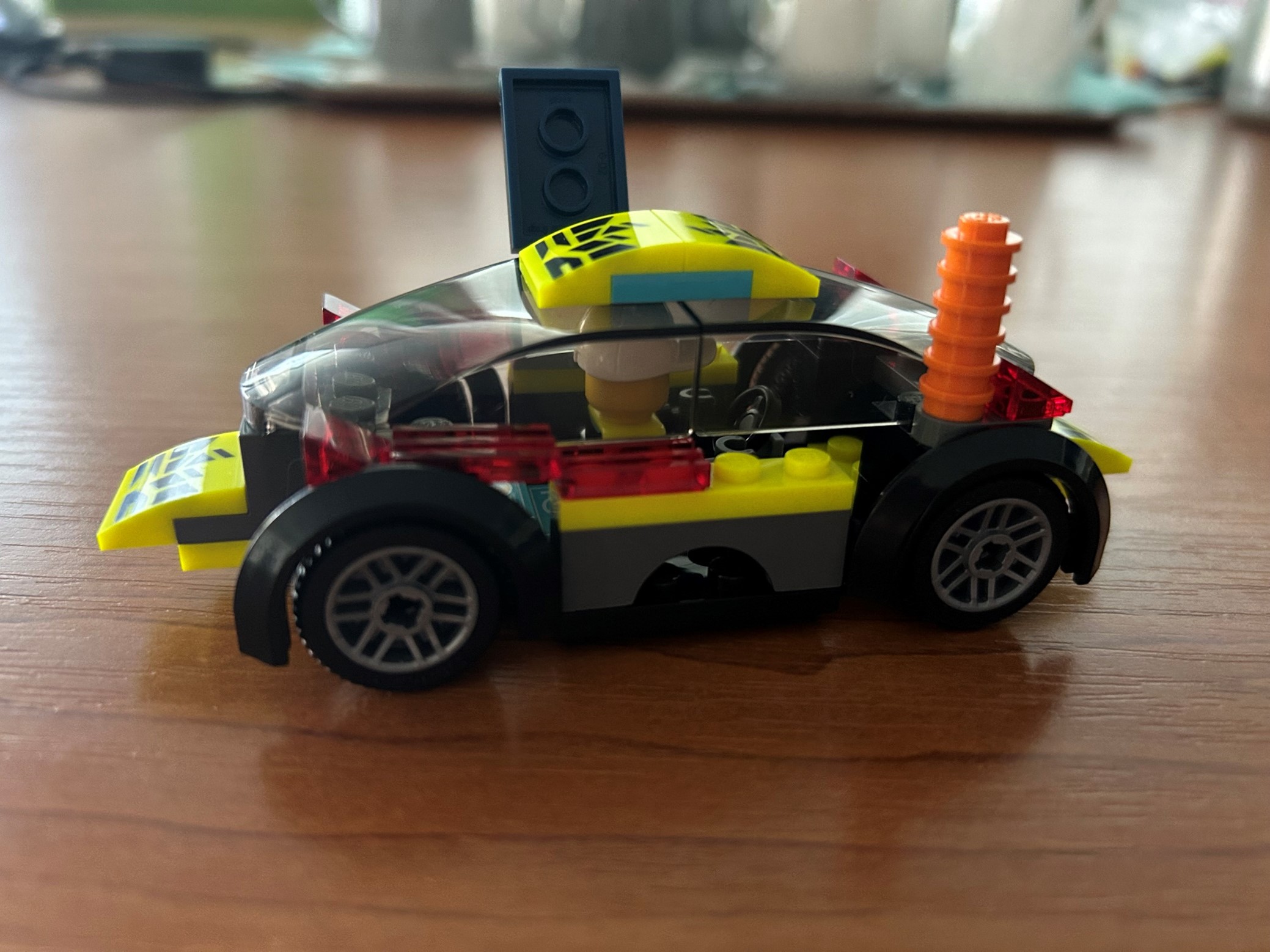

Now, you might be curious about how I handle questions. For this exercise, I used Microsoft Copilot to create a fictional press release between onsemi and Waymo. Depending on the question, I would share this press release.. I have highlighted some key “attributes” within the press release. If you noticed the quotes around “attributes,” you’re right—they refer to SABSA business attributes.
Fictional Press release by Microsoft Co-pilot–
Press Release
onsemi and Waymo Announce Strategic Partnership to Develop Solar-Powered Autonomous Vehicles with Open Design Access
Phoenix, AZ – September 21, 2024 – onsemi (Nasdaq: ON), a leader in intelligent power and sensing technologies, today announced a strategic partnership with Waymo, an autonomous driving technology company, to develop a new generation of solar-powered autonomous, 1 person automobile. This collaboration aims to integrate onsemi’s advanced semiconductor solutions with Waymo’s state-of-the-art autonomous driving systems to create a sustainable and efficient transportation solution. Additionally, the partnership will make the vehicle design available to the public, encouraging innovation and collaboration within the industry.
Hassane El-Khoury, CEO of onsemi, stated:
“We are thrilled to partner with Waymo on this groundbreaking project. This partnership not only represents a significant advancement in sustainable and autonomous transportation but also embodies our commitment to open innovation. By making the design of our solar-powered vehicle available to the public, we aim to foster a collaborative environment where innovators and enthusiasts can contribute to the future of mobility.”
Key Requirements of the Partnership:
Innovation and Development: The partnership will focus on continuous innovation and development to push the boundaries of what is possible in autonomous and sustainable transportation.
About onsemi: onsemi (Nasdaq: ON) is driving disruptive innovations to help build a better future. With a focus on automotive and industrial end-markets, the company is accelerating change in megatrends such as vehicle electrification and safety, sustainable energy grids, industrial automation, and 5G and cloud infrastructure. onsemi is headquartered in Phoenix, Arizona, and has a global network of manufacturing facilities, sales offices, and design centers.
About Waymo: Waymo is an autonomous driving technology company with a mission to make it safe and easy for people and things to move around. Since its inception as the Google Self-Driving Car Project in 2009, Waymo has been focused on building the world’s most experienced driver and making it available to everyone.
————————————————————————————————
In this particular exercise, I would have provided the instructions that come with the LEGO set if participants had asked to see the published “open design.”
After the time has elapsed, I ask the following question:
Here are some answers:
All of these answers are accurate. However, the key answer is requirements gathering. How do you know what your customer wants, in this case, the CEO of onsemi, if you don’t ask them? If participants had asked “great questions,” as Andrew Townley always advocates, I would have given them pieces of paper with attributes important to Hassane in this fictional scenario.
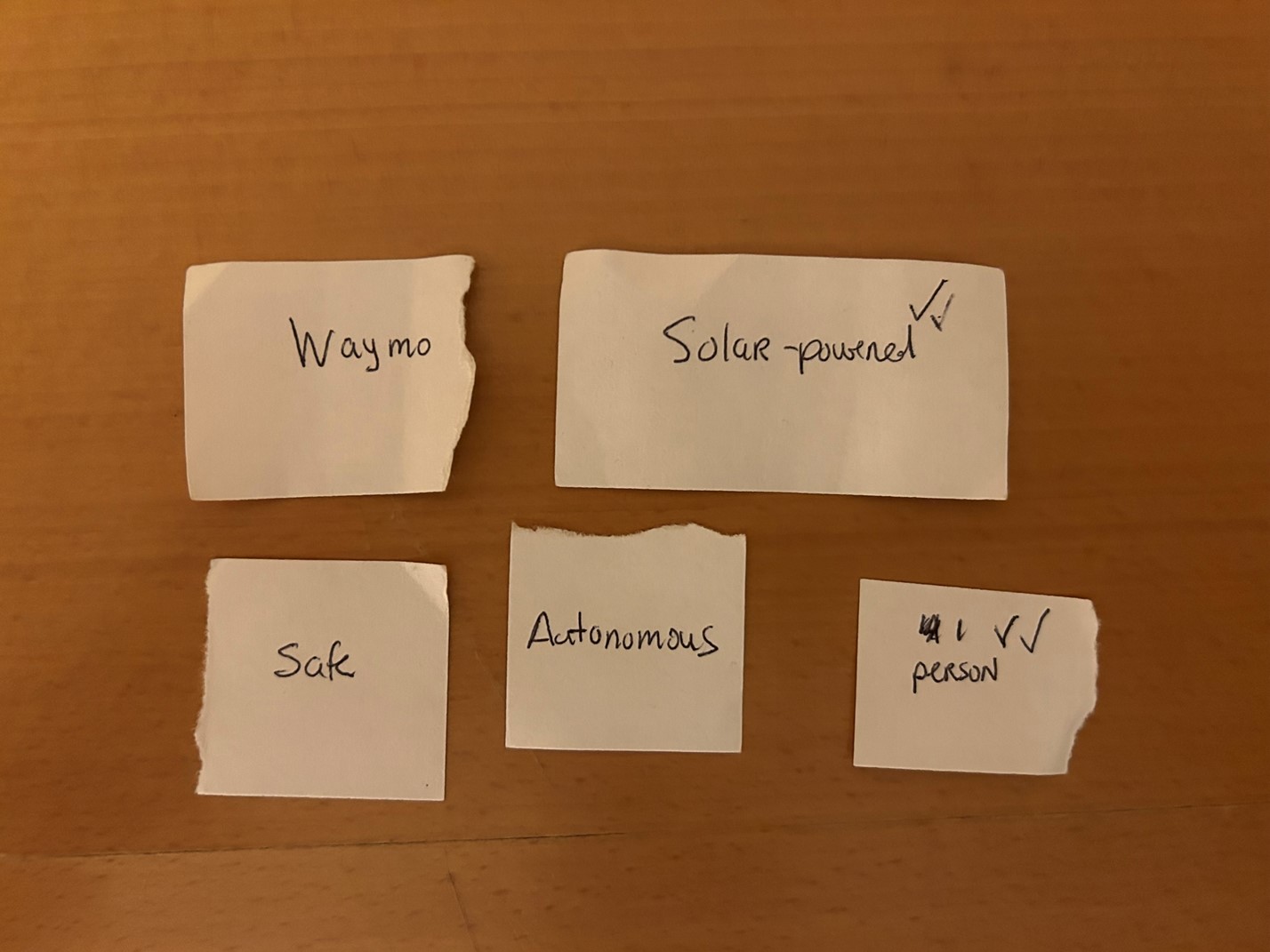
Of course, you can potentially guess some of the things the customer wants. For example, in this instance, each team created a solar-powered car and a one-person car. You can see the check marks beside the attributes in the picture. However, the teams missed the business objectives of the Waymo partnership: safety and autonomy. How does the final product compare to the imaginary one that Hassan had in mind?
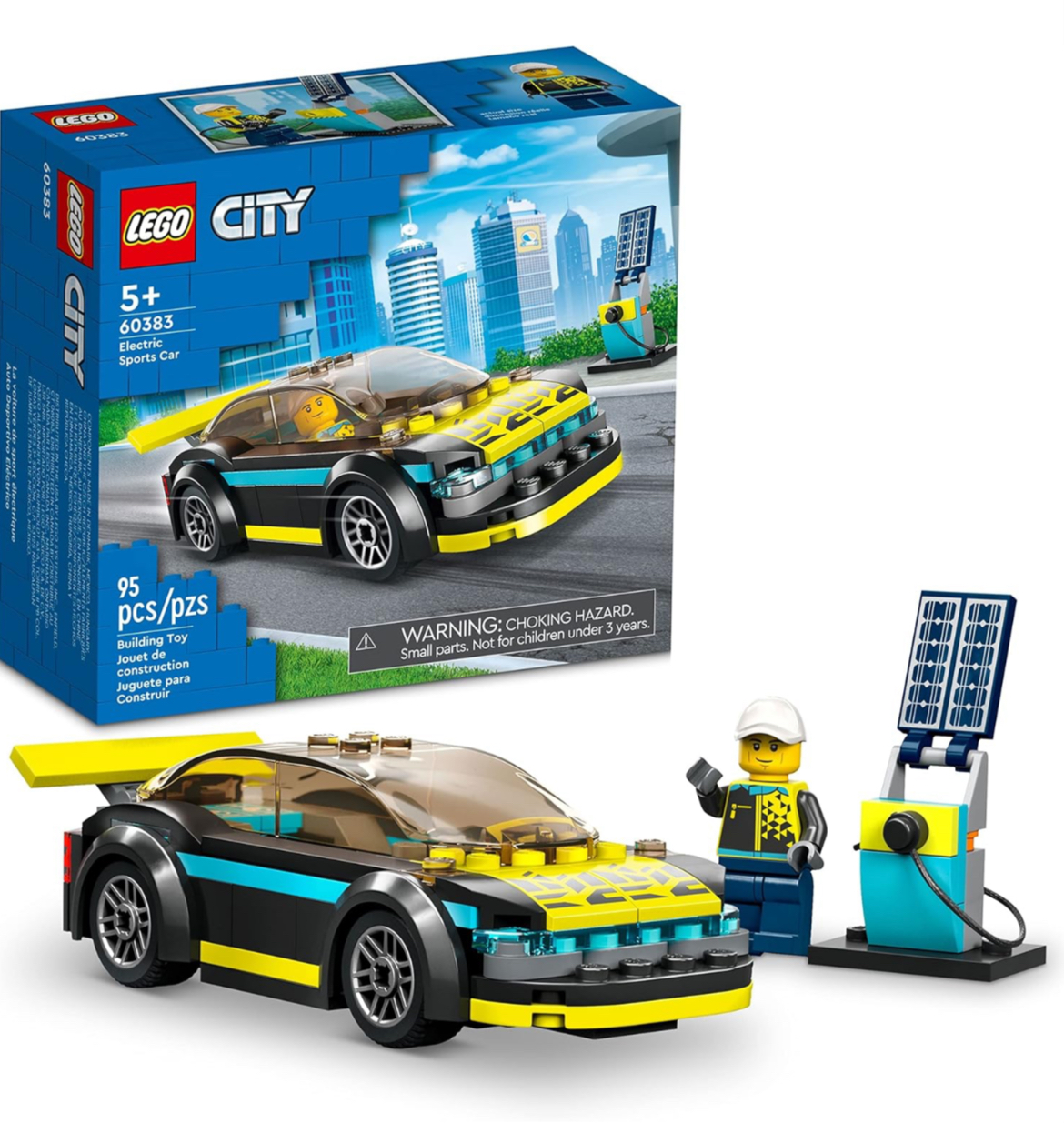
What does this mean? We should always help our customers deliver value. We cannot be roadblocks, even ones made of LEGO bricks. We must always prioritize safety. One way to keep them safe is by ensuring we ask and understand their requirements. This increases the likelihood that the operationalized solution meets the needs of the organization. Don’t get too caught up in the pressure of a “timer.” Don’t get me wrong. We got to deliver and timelines need to be met. Pause, do your homework, ask great questions, and get those requirements documented.
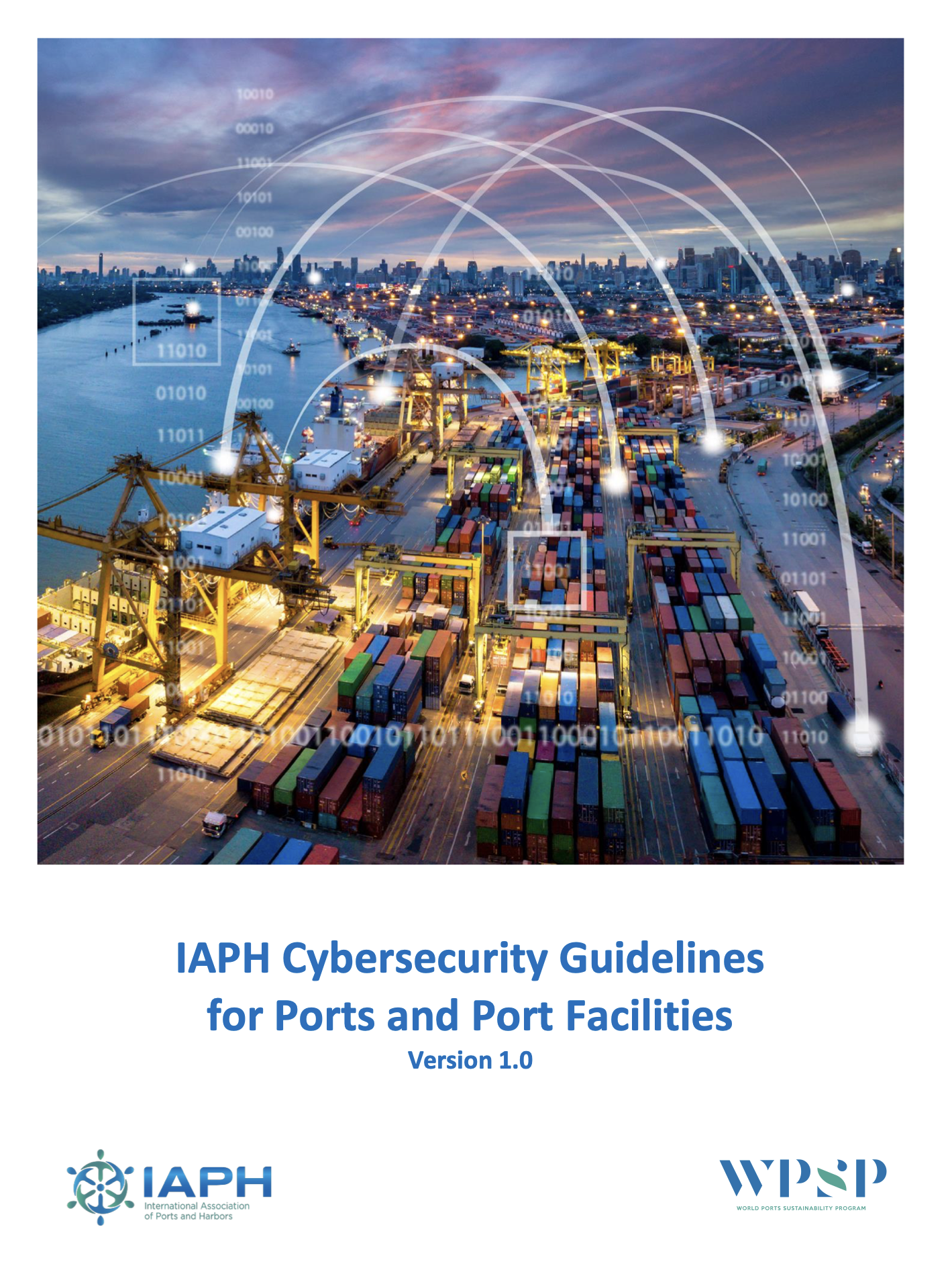
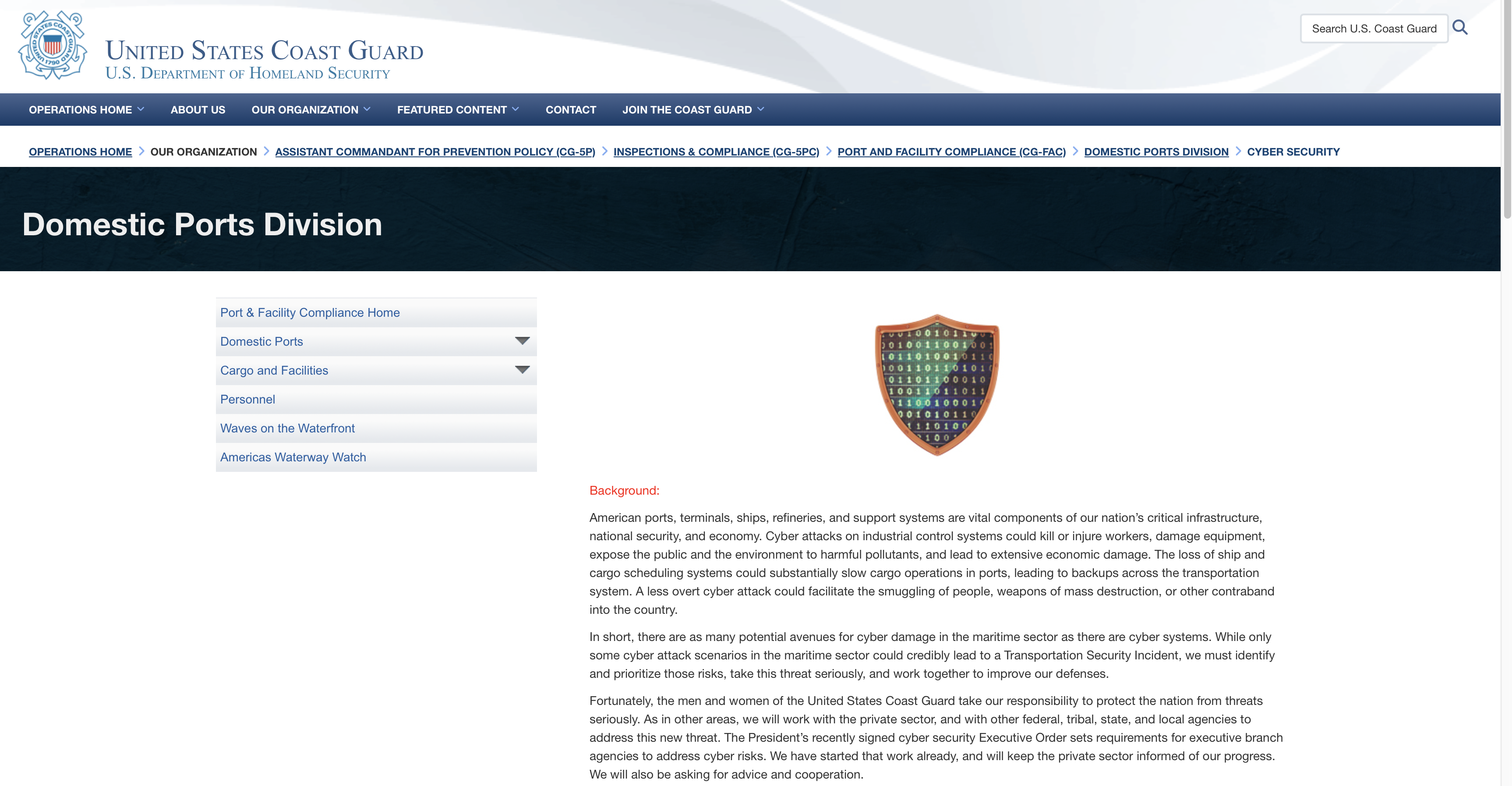
Following President Biden’s recent executive order on “Amending Regulations Relating to the Safeguarding of Vessels, Harbors, Ports, and Waterfront Facilities of the United States” I quickly delved into some research and discovered four valuable resources. Side note, one thing that I love about the cybersecurity field is the opportunity to use your expertise to contribute and make a positive impact across various industries.
Port Facility Cybersecurity Risks Infographic

Jones Walker 2022 Ports and Terminals Cybersecurity Survey

International Association of Ports and Harbors (IAPH)
US Coast Guard – Domestic Ports Division


Recently, I came across a LinkedIn post (see Figure 2 below for visual representation) that delved into the intricate journey of data from its inception to consumption.

While it was interesting, it triggered my contemplation on the analogous process concerning our personal data – its collection, analysis, sale, and exploitation for various purposes, notably in marketing. Yes, I’m referring to the realm of the data broker economy. The current estimated size of this economy is $280 to $319 billion depending on source, and is forecasted to go to $545 billion by 2028 according to one source. A relatively recent study concluded that “people don’t understand what marketers are learning about them online and don’t want their data collected, but feel powerless to stop it.” The accompanying graphic (Figure 1) shed some light on the subject, prompting me to delve deeper through additional research into this area.
I got the following list in my email. I will listen to each one and ask the following questions (as recommended by Jim Kwik).
Why do I need use the key points from the talk?
How will I use the key points?
When will I use the key points



Very curious finding….
Researchers find that Ebola virus creates the very tunnels it uses to hide and move within the human body.

More details here: https://www.txbiomed.org/news-press/news/texas-biomed-scientists-discover-new-method-ebola-virus-uses-to-infect-cells/
I couldn’t help myself as I am still digesting food from Thanksgiving. So grateful all of my blessings….

Source: https://shostack.org/blog/threat-model-thursday-turkey/
Computer Security News, Advice and Research
In-depth security news and investigation
 Robert Rost