Misused Power

[Graphic Description, e.g., Illustration of a tree growing slowly to represent patience]

The Wisdom Quote

“One day while working around our home, trimming the hedges and vines, I had an interesting experience. I was at work with my electric clippers and long extension cord. I had done this often, each time reminding myself of the need to use these clippers with great care in order to avoid cutting things that I shouldn’t. Suddenly the blades became jammed. Caught between them was the power cord itself. Because I had not seen it in the thicket I was trimming, I had cut into the very line that was providing the power to work. ~President Nelson, “Protect the Spiritual Power Line, ” October, 1984, General Conference”

Why This Wisdom Matters

President Nelson’s story shows how easily we can disconnect ourselves from the very sources of power that sustain us. In the same way, wisdom helps us guard the sources of influence we rely on to do good. Power here isn’t about control—it’s the quiet influence that comes from living what we believe. As a parent or guardian, your greatest source of power is your example. “Do as I say, not as I do” never works. The moment we stop living the values we teach, our influence begins to fade. Each of us draws power from different places—faith, integrity, love, and consistency. Wisdom helps us recognize and protect these sources so we can continue to guide, lift, and bless those around us.

How to Apply This Wisdom

  1. Identify your power sources. Take a moment each week to name the values or habits that give you strength—faith, integrity, patience, consistency—and recommit to them.
  2. Protect your example. Before correcting others (especially children), ask yourself, “Am I living this myself?” Adjust your actions first.
  3. Create simple guardrails. Set routines or boundaries that keep your core values safe—daily prayer, weekly planning, or device-free family time.
  4. Watch for warning signs. Notice moments when you feel spiritually, emotionally, or morally “disconnected,” and reconnect quickly through reflection or repentance.
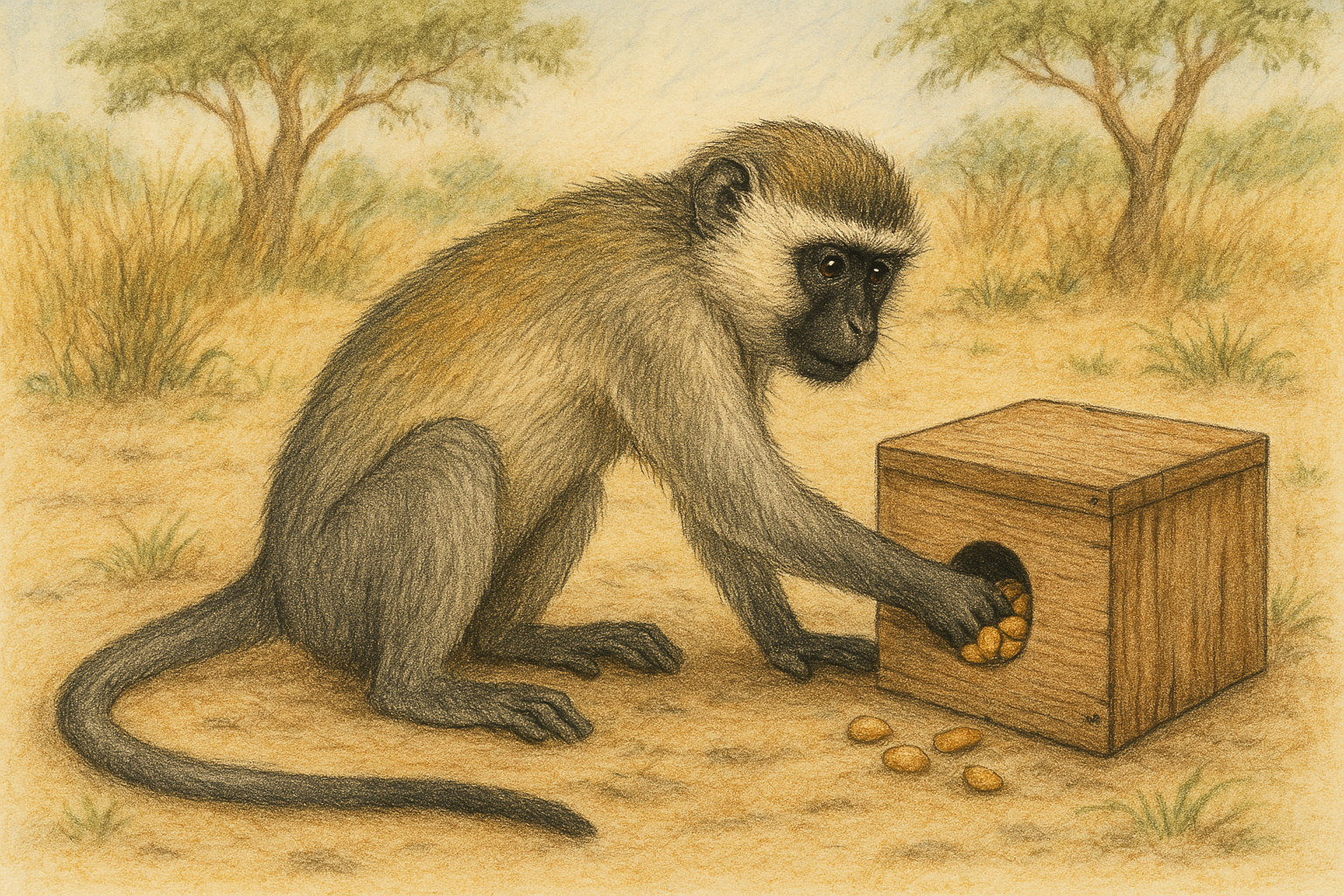
Images of Wisdom – Misused Power

Quote

One day while working around our home, trimming the hedges and vines, I had an interesting experience. I was at work with my electric clippers and long extension cord. I had done this often, each time reminding myself of the need to use these clippers with great care in order to avoid cutting things that I shouldn’t. Suddenly the blades became jammed. Caught between them was the power cord itself. Because I had not seen it in the thicket I was trimming, I had cut into the very line that was providing the power to work. ~President Nelson, “Protect the Spiritual Power Line, ” October, 1984, General Conference

Why is the wisdom important?

President Nelson’s story reminds us how easy it is to cut off our own source of power if we’re not careful. In the same way, wisdom helps us protect the sources of power we rely on to do good. Power here isn’t about control—it’s about influence. As a parent or guardian, the greatest sources of power is your example. It doesn’t work to say, “Do as I say, not as I do.” The moment you stop living the values you teach, you lose the power to influence your children. Each of us has sources of power that help us do our work—faith, integrity, love, consistency. Wisdom is what helps us recognize and protect those sources, so we can continue to guide and bless others.

How to apply the wisdom?

  1. Identify the sources of power that enable you to do your work—your faith, your integrity, your example, your relationships—and then ensure you protect them.

pb – home drills

  1. Backhand to forehand in air
  2. Backhand to edge to forehand in air
  3. Backhand to forehand on ground
  4. Toss and catch
  5. Drink, speed up and reset
  6. Backhand to forehand volley
  7. Slow to faster volley until mistake

Note – complete each drill for 1 minute

pb – back hand like Anna Leigh waters

  1. Grip is eastern style with non dominant hand on top with pointer or trigger finger in the center of back face the paddle. Gives your more touch, feel and ensure paddle is facing correctly
  2. Do a “unit turn”. Your are rotating your body to the side . Perpendicular to the net.rotating hips
  3. Keep head still for a millisecond when making contact with the ball. Don’t look where you are hitting or up.
  4. Offensive ball – step with dominate leg and hit
  5. Defensive or on the run – step and hit at same time
  6. Transition paddle from to facing out to down to ground to wind shield wiper
  7. Use windshield wiper when coming up to put top spin
  8. Cross court – paddle wraps around neck
  9. Down the line – paddle finishes in front
  10. Practice