
Great question! Despite the risk of spoiling future “ice breakers,” let me share an exercise that answers the question through action. Enough talking—no academic architects needed today!
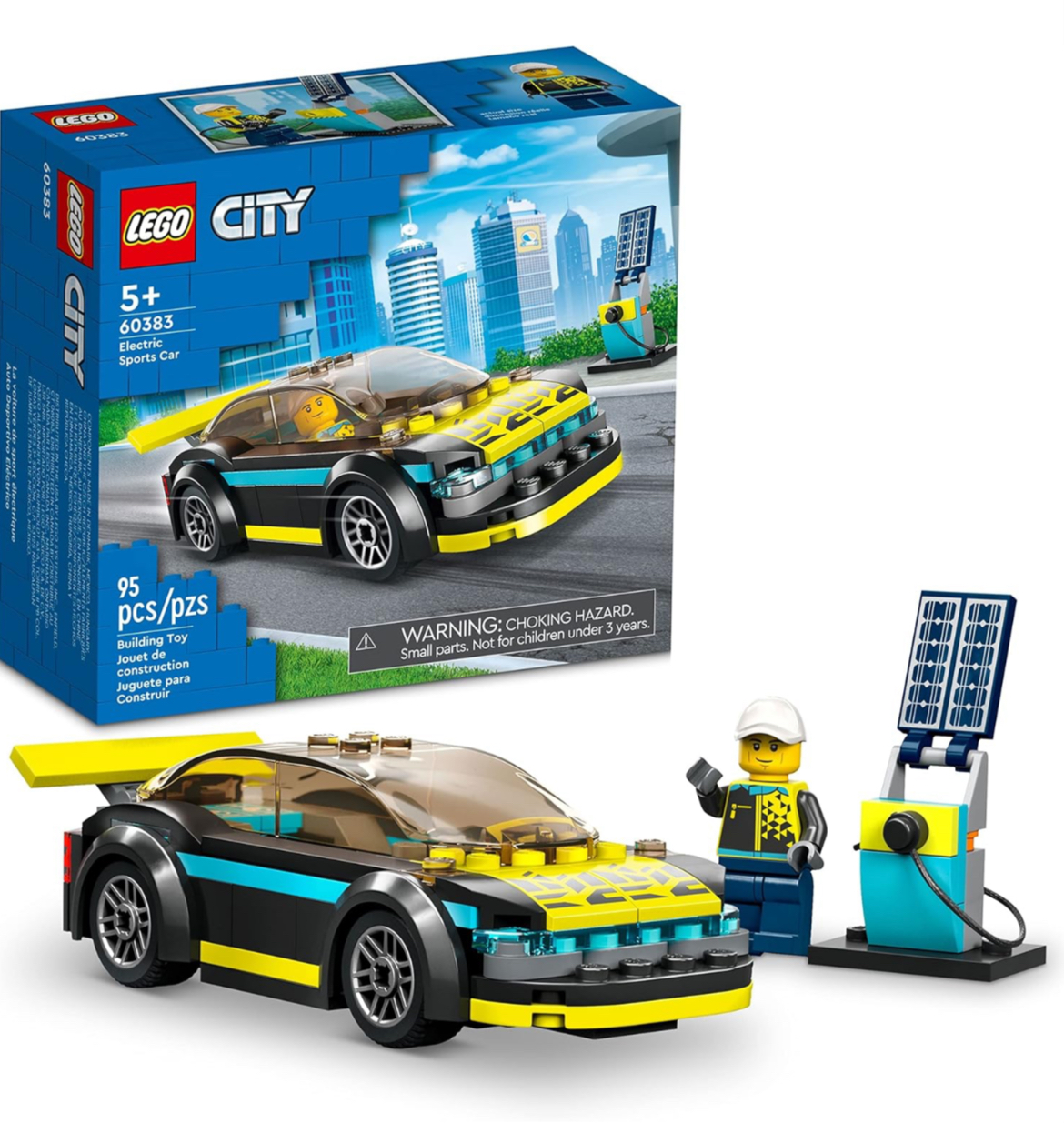
- Purchase 3-4 identical LEGO kits, each containing between 100-200 pieces. Choose a set that aligns with your organization’s field. For instance, if you’re in healthcare or manufacturing, opt for a car model.
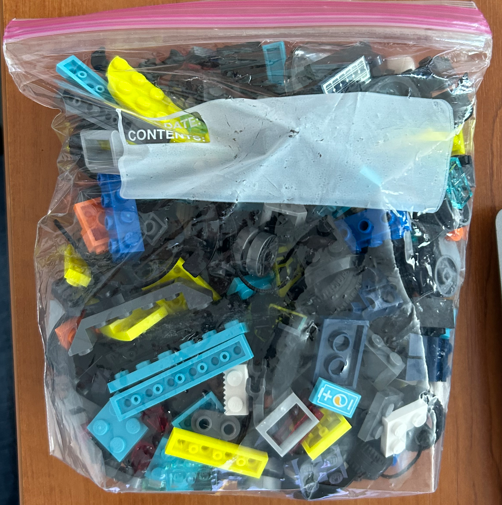
- Unbox all the kits, combine all the pieces into a single bag, mix them thoroughly, and then pour them into a pile.
3) Show a “rules” slide. Below is an example from the last exercise.

4) organize the participants into group of 2-3 people
5) tell people to start.
So, what typically happens next? Well, people love building with LEGO bricks—who doesn’t, right? In every instance I’ve run this exercise, everyone immediately starts grabbing pieces and building something. Why do they do this? Maybe they’re eager to relive fond childhood memories. Perhaps they’re doers who just want to complete the task. Or maybe they feel the competitive pressure of the timer. Regardless, the architects communicate with each other and have a great time. While no one has burst into singing “Everything is Awesome” (see this https://youtu.be/9cQgQIMlwWw?si=ODUGkwCohYu8eeuK), I usually walk around, taking pictures to capture their progress and final creations.
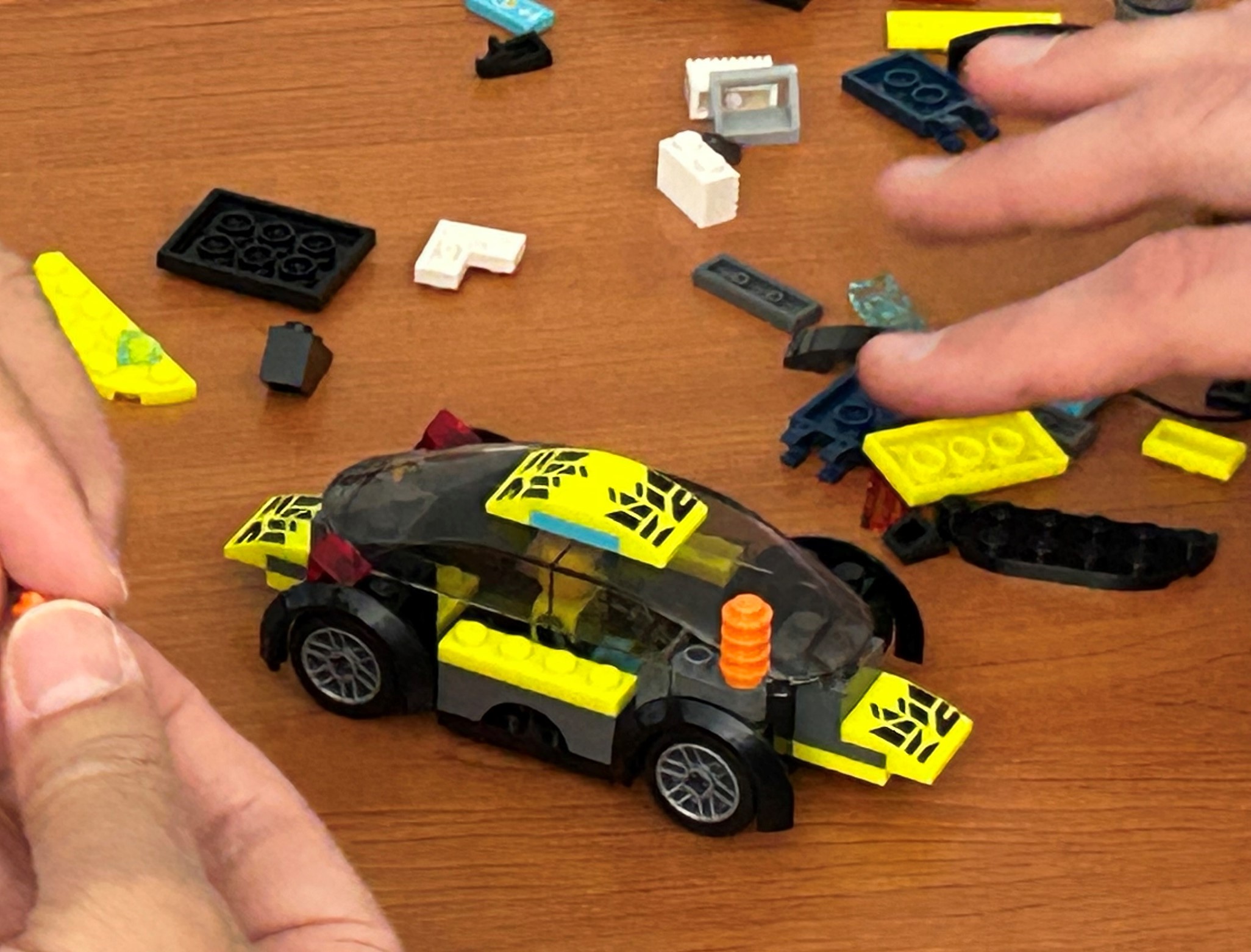

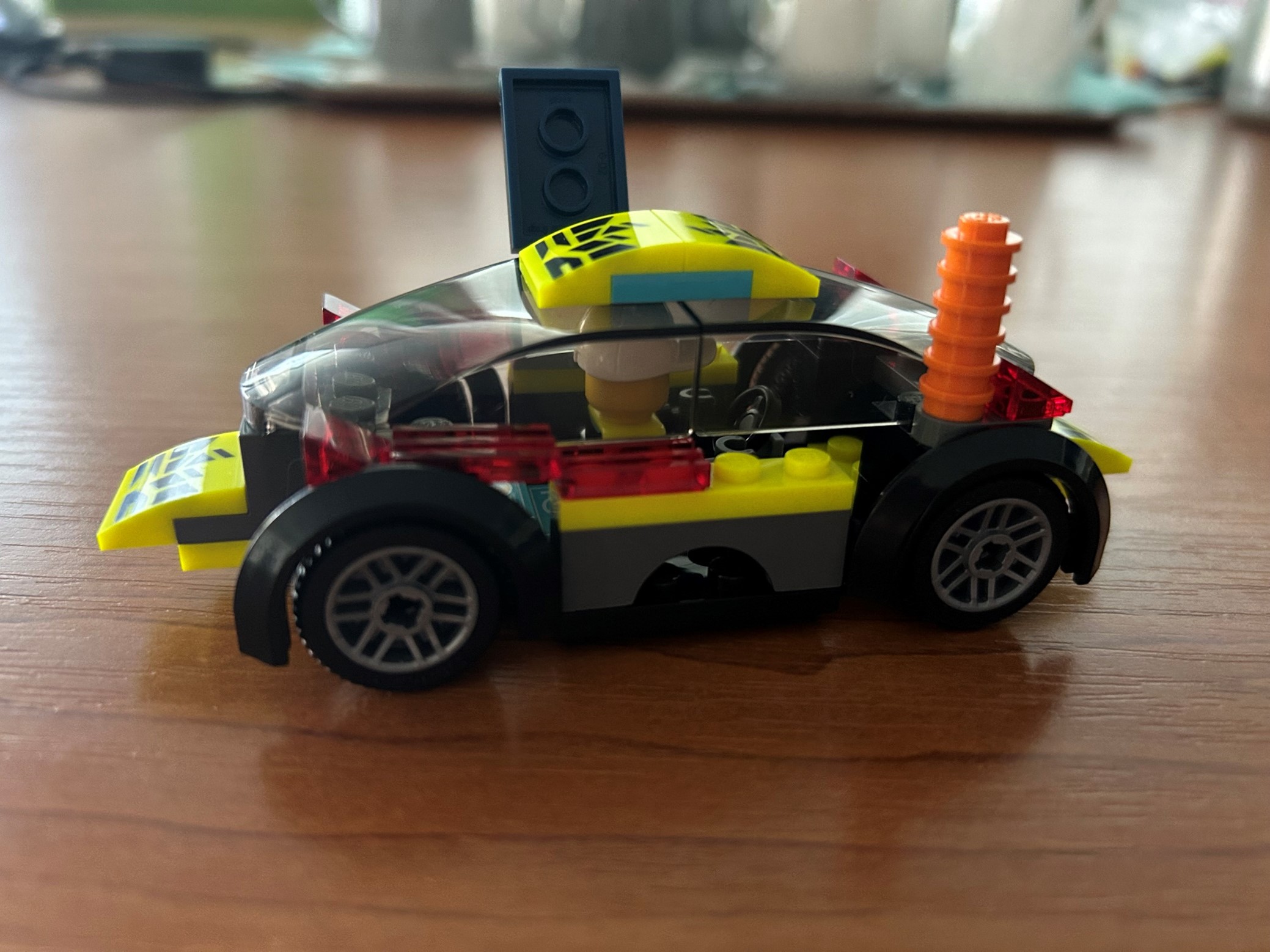

Now, you might be curious about how I handle questions. For this exercise, I used Microsoft Copilot to create a fictional press release between onsemi and Waymo. Depending on the question, I would share this press release.. I have highlighted some key “attributes” within the press release. If you noticed the quotes around “attributes,” you’re right—they refer to SABSA business attributes.
Fictional Press release by Microsoft Co-pilot–
Press Release
onsemi and Waymo Announce Strategic Partnership to Develop Solar-Powered Autonomous Vehicles with Open Design Access
Phoenix, AZ – September 21, 2024 – onsemi (Nasdaq: ON), a leader in intelligent power and sensing technologies, today announced a strategic partnership with Waymo, an autonomous driving technology company, to develop a new generation of solar-powered autonomous, 1 person automobile. This collaboration aims to integrate onsemi’s advanced semiconductor solutions with Waymo’s state-of-the-art autonomous driving systems to create a sustainable and efficient transportation solution. Additionally, the partnership will make the vehicle design available to the public, encouraging innovation and collaboration within the industry.
Hassane El-Khoury, CEO of onsemi, stated:
“We are thrilled to partner with Waymo on this groundbreaking project. This partnership not only represents a significant advancement in sustainable and autonomous transportation but also embodies our commitment to open innovation. By making the design of our solar-powered vehicle available to the public, we aim to foster a collaborative environment where innovators and enthusiasts can contribute to the future of mobility.”
Key Requirements of the Partnership:
- Integration of Solar Technology: The vehicles will be equipped with advanced solar panels to harness renewable energy, significantly reducing the reliance on traditional fuel sources.
- Advanced Semiconductor Solutions: onsemi will provide high-efficiency power management and sensing technologies to optimize the vehicle’s performance and energy consumption.
- Autonomous Driving Systems: Waymo will integrate its latest autonomous driving technology to ensure safe and reliable operation of the vehicles.
- Sustainability Goals: Both companies are committed to achieving significant reductions in carbon emissions and promoting the use of renewable energy in the automotive sector.
- Open Design Access: The partnership will release the vehicle design to the public, allowing engineers, developers, and hobbyists to access and contribute to the development of solar-powered autonomous vehicles.
Innovation and Development: The partnership will focus on continuous innovation and development to push the boundaries of what is possible in autonomous and sustainable transportation.
About onsemi: onsemi (Nasdaq: ON) is driving disruptive innovations to help build a better future. With a focus on automotive and industrial end-markets, the company is accelerating change in megatrends such as vehicle electrification and safety, sustainable energy grids, industrial automation, and 5G and cloud infrastructure. onsemi is headquartered in Phoenix, Arizona, and has a global network of manufacturing facilities, sales offices, and design centers.
About Waymo: Waymo is an autonomous driving technology company with a mission to make it safe and easy for people and things to move around. Since its inception as the Google Self-Driving Car Project in 2009, Waymo has been focused on building the world’s most experienced driver and making it available to everyone.
————————————————————————————————
In this particular exercise, I would have provided the instructions that come with the LEGO set if participants had asked to see the published “open design.”
After the time has elapsed, I ask the following question:
- What does LEGO have to do with cybersecurity architecture?
Here are some answers:
- Efficient, reusable building blocks
- Modularity of the blocks
- Scalability of the blocks.
- Interconnected nature of blocks allow adaptable and efficient models
All of these answers are accurate. However, the key answer is requirements gathering. How do you know what your customer wants, in this case, the CEO of onsemi, if you don’t ask them? If participants had asked “great questions,” as Andrew Townley always advocates, I would have given them pieces of paper with attributes important to Hassane in this fictional scenario.
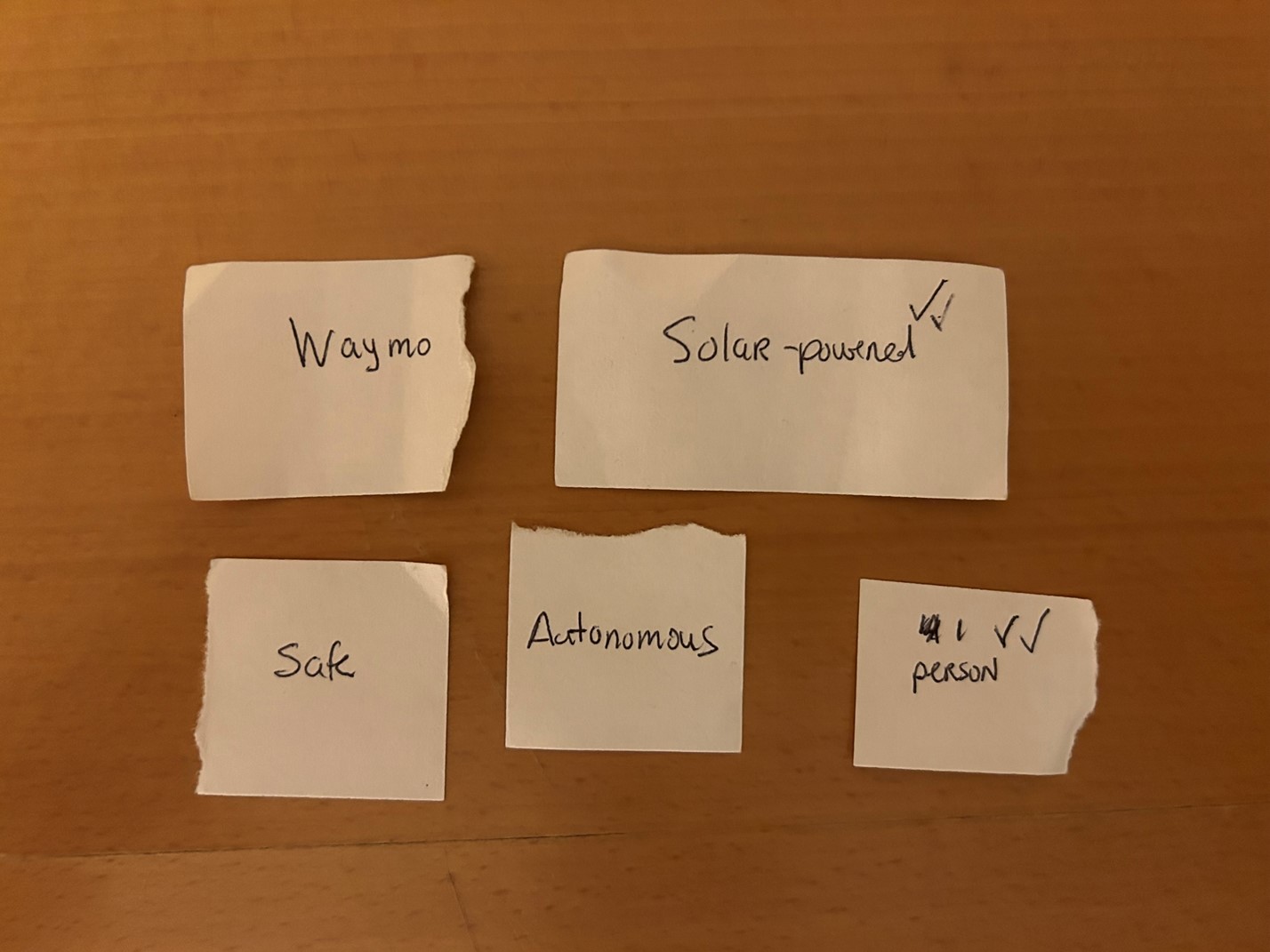
Of course, you can potentially guess some of the things the customer wants. For example, in this instance, each team created a solar-powered car and a one-person car. You can see the check marks beside the attributes in the picture. However, the teams missed the business objectives of the Waymo partnership: safety and autonomy. How does the final product compare to the imaginary one that Hassan had in mind?
What does this mean? We should always help our customers deliver value. We cannot be roadblocks, even ones made of LEGO bricks. We must always prioritize safety. One way to keep them safe is by ensuring we ask and understand their requirements. This increases the likelihood that the operationalized solution meets the needs of the organization. Don’t get too caught up in the pressure of a “timer.” Don’t get me wrong. We got to deliver and timelines need to be met. Pause, do your homework, ask great questions, and get those requirements documented.
 Robert Rost